

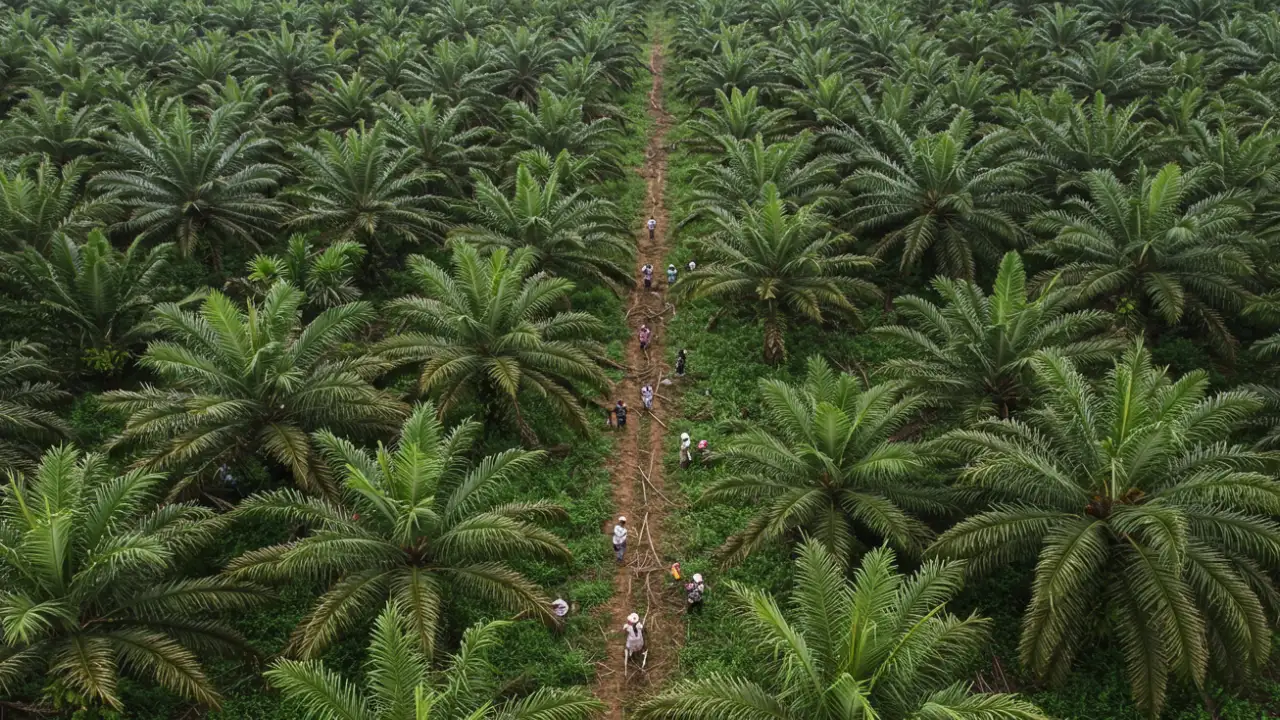
Palm oil is one of the most valuable and widely used vegetable oils in the world today. From cooking to cosmetics and industrial applications, it plays a vital role in global commerce. Nigeria is one of the top producers of palm oil, and as the demand continues to grow, effective farming practices have become crucial to maintaining quality, profitability, and competitiveness.
At the heart of this transformation is Exported Agro Solution Ltd, a leading player in Nigeria’s agro-industrial sector, committed to elevating the standard of oil palm farming through sustainable and modern techniques.
The Journey Begins: Cultivating Oil Palm Trees
Oil palm farming starts with selecting high-yield seedlings. Exported Agro Solution Ltd partners with agricultural research institutes to acquire certified tenera hybrid seedlings known for high oil content and resistance to pests.
The farm layout is carefully designed to maximize sunlight and airflow. Seedlings are transplanted after nursery growth into well-prepared fields with adequate spacing and fertilization plans. Proper land preparation and weed control are crucial in the early stages of development.
Soil and Climate Requirements
Oil palm thrives in deep, well-drained loamy soils and requires an annual rainfall of 1800-2500 mm. Exported Agro Solution Ltd establishes farms in regions with ideal climatic conditions, such as parts of the South-South and South-East zones of Nigeria.
Soil testing and conditioning are done before planting to adjust pH levels and ensure nutrient availability. These efforts boost early growth and help reduce disease vulnerability.
Growth and Maintenance
Once planted, oil palms take about 3 to 4 years to mature. During this period, maintenance is critical:
- Fertilization: Regular application of NPK and micronutrients
- Weed Control: Manual and chemical methods to minimize competition
- Pruning: Removing old and dead fronds to improve airflow and sunlight penetration
- Pest & Disease Management: Monitoring for threats like bagworms and fusarium wilt
Exported Agro Solution Ltd trains its farm workers in Good Agricultural Practices (GAP) to ensure that every stage of development aligns with international standards.
Harvesting the Fruit Bunches
After 3-4 years, palms begin to bear fruit. The Fresh Fruit Bunches (FFBs) are harvested using long-handled sickles. Timing is vital—overripe or underripe fruits can affect oil quality and yield.
Harvesters at Exported Agro Solution Ltd are trained to identify the optimal ripeness based on fruit detachment and color change. Harvested FFBs are transported to processing centers within 24 hours to avoid deterioration.
Sustainability and Environmental Management
Modern oil palm farming must balance productivity with environmental stewardship. Exported Agro Solution Ltd embraces:
- Intercropping: Planting compatible crops like cassava and maize during the immature phase
- Cover Cropping: Using legumes to fix nitrogen and reduce erosion
- Agroforestry: Integrating native trees to preserve biodiversity
The company also avoids deforestation by cultivating only on previously used or designated agricultural land.
Economic Impact and Job Creation
Oil palm farming offers massive economic benefits. In Nigeria, it provides employment to thousands of rural dwellers. Exported Agro Solution Ltd supports over 500 smallholder farmers through outgrower schemes, providing training, inputs, and market access.
The income from oil palm farming can significantly improve household livelihoods and contribute to local development. With increased global demand, palm oil remains one of Nigeria’s most promising non-oil exports.
Challenges and Solutions
Despite its potential, oil palm farming faces challenges such as:
- Land disputes
- Aging plantations
- Low access to finance
- Climatic unpredictability
Exported Agro Solution Ltd tackles these through partnerships, insurance schemes, and community engagement. It also reinvests in research and mechanization to improve yield per hectare.
Export Potential and Global Relevance
Nigeria is well-positioned to become a major player in the international palm oil market. Exported Agro Solution Ltd is already laying the groundwork by acquiring certifications and establishing export supply chains.
Its oil palm farms supply high-quality fruits to processors, including in-house processing centers, which ensure traceability and compliance with global food standards.
Future Prospects
With global trends favoring sustainable sourcing and traceable supply chains, oil palm farming in Nigeria is set for a bright future. Exported Agro Solution Ltd plans to expand its acreage, adopt drone technology for monitoring, and train a new generation of agripreneurs.
By combining tradition with innovation, the company is creating a model for scalable, sustainable, and profitable oil palm farming.
Conclusion
Oil palm farming is more than an agricultural activity—it is a strategic economic opportunity for Nigeria. With the right investments and practices, it holds the key to food security, rural empowerment, and foreign exchange earnings.
Exported Agro Solution Ltd is at the forefront of this transformation. Through sustainable farming, training, and partnerships, the company is not only producing high-quality palm oil but also nurturing the future of Nigeria’s agricultural sector.
Whether you are an investor, farmer, policymaker, or buyer, partnering with Exported Agro Solution Ltd ensures you are aligned with a visionary and responsible player in the oil palm industry.